
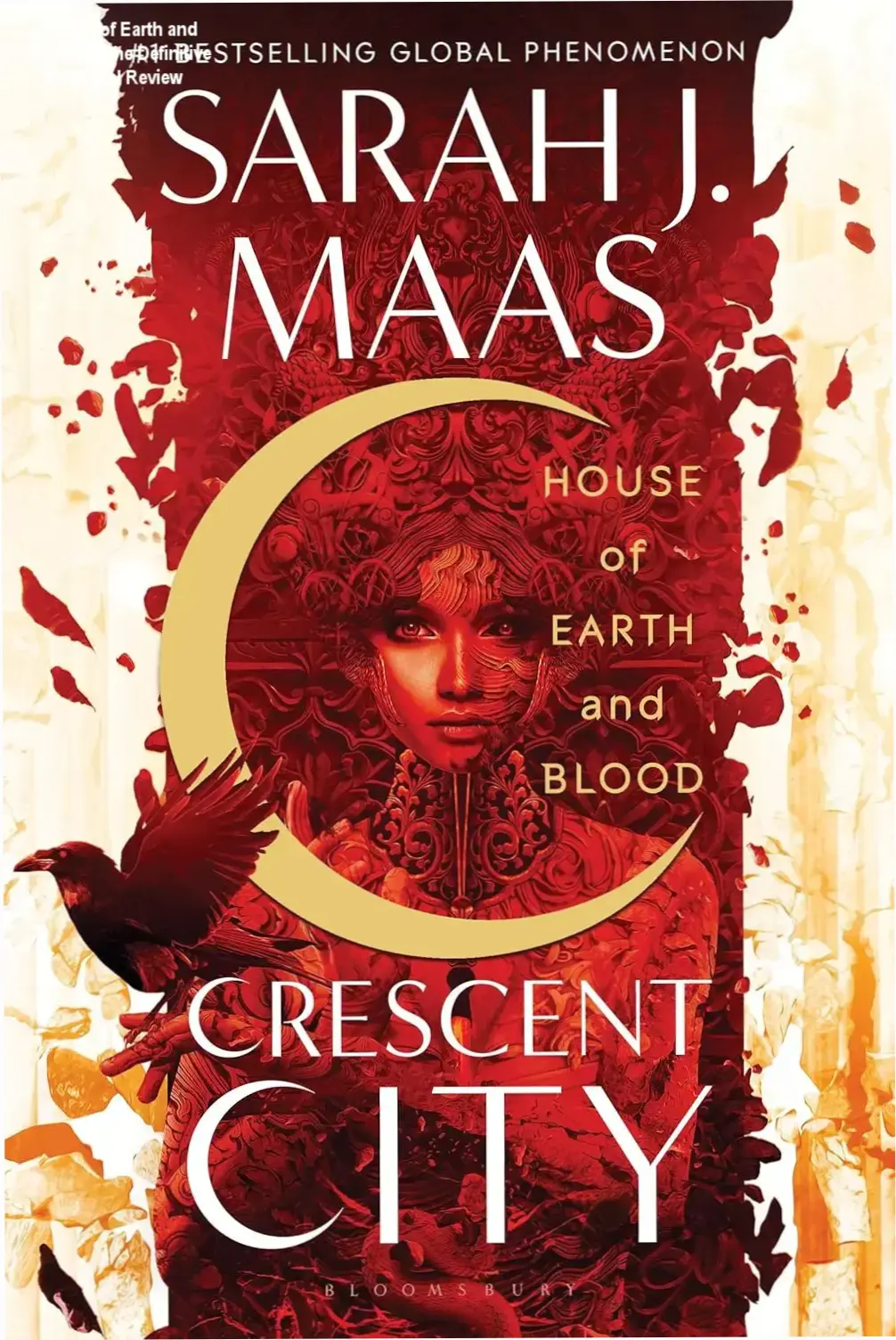
Finding a literary escape that balances high-stakes adrenaline with deep emotional resonance is a rare feat in modern urban fantasy. Most readers enter a series expecting a simple “magic and monsters” trope, only to find themselves grappling with heavy themes of grief, systemic oppression, and the crushing weight of personal loss.
Sarah J. Maas attempts to bridge this gap in House of Earth and Blood, moving away from the high fantasy realms of her previous works into a gritty, neon-soaked cityscape. If you are looking to see if this pivot holds weight, you can check the current availability and reader reception on Amazon before committing to the full trilogy.
Ready to dive into “House of Earth and Blood”?
Explore available editions, check current live pricing, or download a free sample directly on Amazon.
Preview Free Sample & Check Price on Amazon
*You will be redirected to Amazon. As an Amazon Associate, we may earn from qualifying purchases.
The Urban Fantasy Pivot: Expectation vs. Reality
For fans of Maas’s previous work, such as the *ACOTAR* series, there is a significant psychological shift required to digest Crescent City. While those books lean heavily into traditional high fantasy, this novel functions more like a supernatural noir detective story. The setting is not a magical forest, but a sprawling, multi-species metropolis that feels claustrophobic and lived-in.
Readers often expect a fast-paced, magical romp, but the reality is a slower, more methodical build. The first act focuses heavily on Bryce Quinlan’s internal state—her mourning and her struggle to maintain a semblance of a “normal” life amidst chaos. This might frustrate readers looking for immediate action, but it is essential for the emotional payoff later in the narrative.
The world-building is dense. We aren’t just dealing with elves or fae; we are dealing with angels, demons, and humans coexisting in a complex social hierarchy. This complexity adds a layer of realism that elevates the story from a simple fantasy to a socio-political commentary on power and servitude.
Narrative Structure and the “Slow Burn” Tension
The core of the book lies in the friction between Bryce and Hunt Athalar. Hunt, a fallen angel enslaved to the Archangels, represents the ultimate loss of agency. His relationship with Bryce isn’t just a romantic subplot; it is the catalyst for their shared rebellion against a corrupt system.
The pacing follows a classic detective arc: a crime occurs, an investigation ensues, and the deeper the characters dig, the more the entire world structure begins to tremble. While some Goodreads reviewers have noted that the middle section can feel slightly bloated due to the sheer volume of lore, the tension remains palpable through the character dynamics.
Maas utilizes a “sizzling” romance style that is a hallmark of her writing, but here it is tempered by the grim reality of their circumstances. It isn’t just about attraction; it’s about two broken individuals finding a common language in a city designed to keep them apart.
Technical Breakdown: Reader Data & Specifications
To help you decide if this massive 816-page tome is worth your time, I have synthesized the technical aspects and general reader sentiment into a quick-reference format.
| Metric | Details |
|---|---|
| Genre | Urban Fantasy / Paranormal Romance |
| Page Count | 816 pages |
| Complexity | High (Dense world-building and many characters) |
| Core Themes | Grief, Freedom, Corruption, Identity |
The Verdict: Who Is This For?
Based on an analysis of consumer feedback from Reddit and Amazon, the consensus is clear: this is not a “light” read. It is a heavy, immersive experience that demands attention. If you prefer your fantasy with a side of hard-boiled mystery and complex, morally gray characters, this is a masterclass.
However, if you are looking for a quick, breezy read to finish in a single afternoon, the 800+ page count and the intricate political web might feel overwhelming. The “learning curve” here isn’t about the prose—which is accessible—but about the sheer amount of information you must retain to understand the stakes of the Crescent City hierarchy.
“A sprawling, ambitious epic that proves Maas can master genres beyond the traditional high fantasy realm. The stakes feel personal, and the world feels dangerously real.”
Ultimately, House of Earth and Blood is an investment. It is an investment of time and emotional energy, but for those who enjoy being completely swallowed by a new world, the payoff is substantial. It sets a high bar for the subsequent books in the series, promising a trajectory of increasing scale and intensity.
Quick Summary Scorecard
- World-Building: 9/10 (Immersive and gritty)
- Character Development: 8.5/10 (Deeply emotional arcs)
- Pacing: 7/10 (Can feel slow in the second act)
- Romance Intensity: 9/10 (High tension/slow burn)
- Readability: 8/10 (Easy prose, complex plot)