
Most people spend their lives playing the role of the “reliable one.” You know the type: the person who fixes every crisis, manages the family chaos, and suppresses their own desires to ensure everyone else stays afloat. It is an exhausting cycle of duty that often leaves the individual feeling invisible, trapped in a loop of responsibility that precludes any real spontaneity.
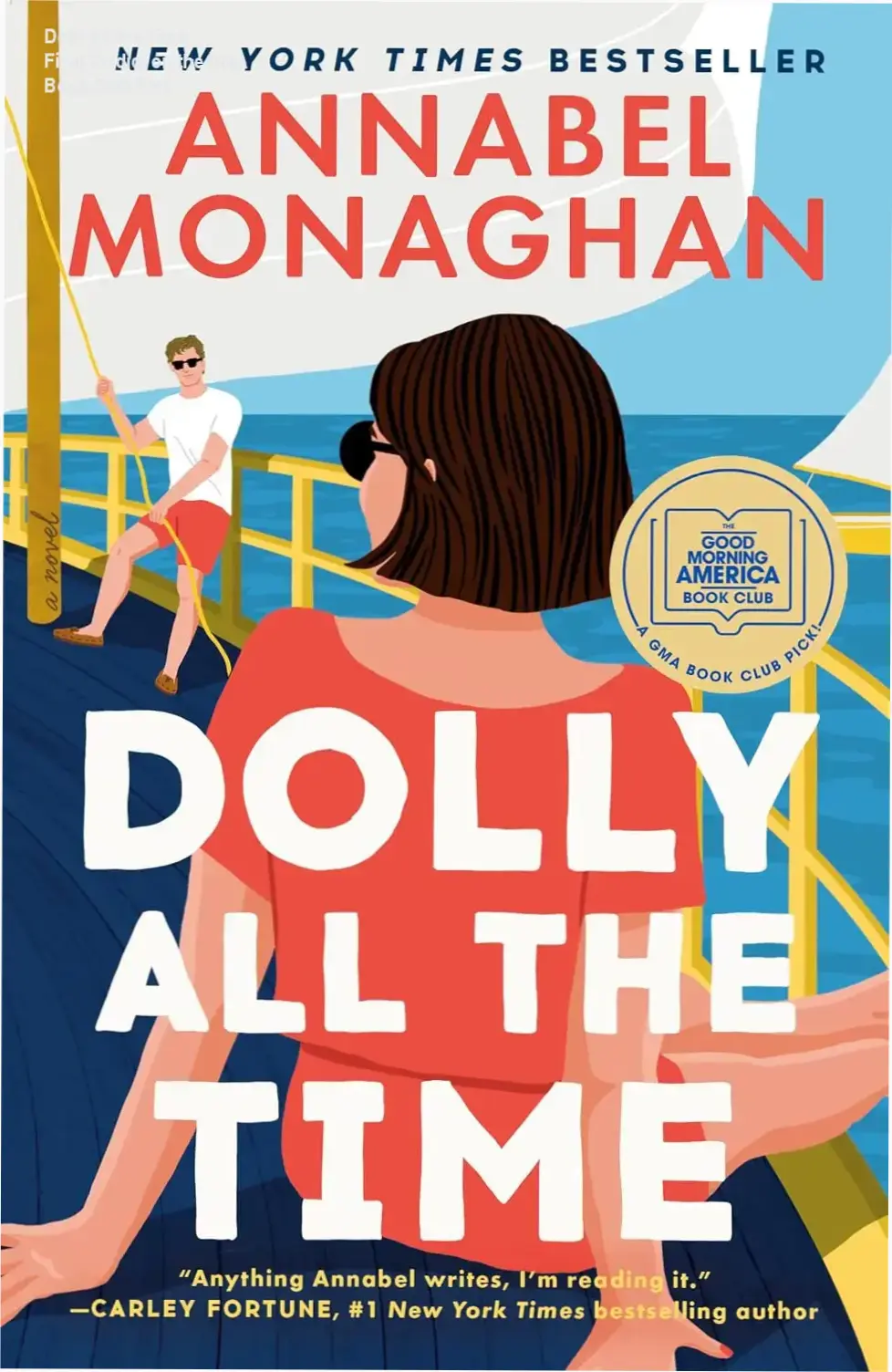
This emotional exhaustion is exactly where “Dolly All the Time” finds its grip. It taps into the universal fantasy of dropping the burden for a moment and stepping into a curated, low-risk romance. Before diving into the technical merits of the plot, you can check the current reader reception and availability on Amazon to see if the hype matches your personal taste in contemporary fiction.
Ready to dive into “Dolly All the Time”?
Explore available editions, check current live pricing, or download a free sample directly on Amazon.
Preview Free Sample & Check Price on Amazon
*You will be redirected to Amazon. As an Amazon Associate, we may earn from qualifying purchases.
The Anatomy of the “Fake Dating” Engine
Let’s be honest: fake dating is one of the most overused tropes in modern romance. However, Annabel Monaghan doesn’t try to reinvent the wheel; she simply polishes it to a high shine. The narrative engine here is the tension between the “script” the characters are following and the organic emotions they can’t suppress.
Dolly Brick is the quintessential hyper-independent protagonist. Her life is a series of problems solved and fires extinguished. When she enters a “situationship” with Stewart Whitfield, it isn’t just a plot device—it’s a psychological relief. For the first time, the rules of engagement are predefined.
The chemistry is described as hitting like a “ghost pepper,” which is a sharp, visceral metaphor. It suggests a heat that is both shocking and slightly painful. This prevents the romance from feeling too saccharine, adding a layer of urgency to their interactions.
“If they start by pretending, can they end with something real?”
This central question drives the pacing. The book moves with a steady, rhythmic flow that mirrors a summer in Rhode Island—slow enough to soak in the atmosphere, but fast enough to keep the romantic tension from stagnating.
The Burden of the “Fixer” and Family Dysfunction
Beyond the romance, the book serves as a study on the “eldest daughter” syndrome (even if not the literal eldest). Dolly’s return to Whitfield isn’t a joyful homecoming; it’s a rescue mission. The struggle to save a family home is a classic literary motivator, but Monaghan anchors it in the emotional void left by an absent mother.
The conflict isn’t just about real estate; it’s about the resentment that builds when one person is the only adult in the room. This adds a necessary weight to the story. Without the family drama, the book would be a lightweight beach read. With it, it becomes a story about boundaries and the fear of relying on others.
Stewart Whitfield, the “workaholic scion,” acts as the perfect foil. He possesses the wealth Dolly lacks but shares her isolation. Their connection is forged not just in physical attraction, but in the shared experience of being defined by their family names rather than their actual selves.
| Technical Aspect | Analysis |
|---|---|
check the latest user reviews and ratings on Amazon.
Final Editorial Verdict“Dolly All the Time” delivers on its core promise for its intended audience, offering compelling insights without fluff. As highlighted in our detailed edition breakdown, its practical depth and readability are its greatest strengths. We also recommend checking the official Kindle sample and reader ratings before making your final purchase decision. *You will be redirected to Amazon. As an Amazon Associate, we earn from qualifying purchases.  Related Posts


|