Most of us have spent at least one Monday morning staring at a computer screen, wondering when the corporate ladder we’ve been climbing started feeling like a treadmill to nowhere. The burnout is real, and the fantasy of dropping everything to move to a vineyard in Italy isn’t just a daydream—it’s a modern survival mechanism for the overworked professional.
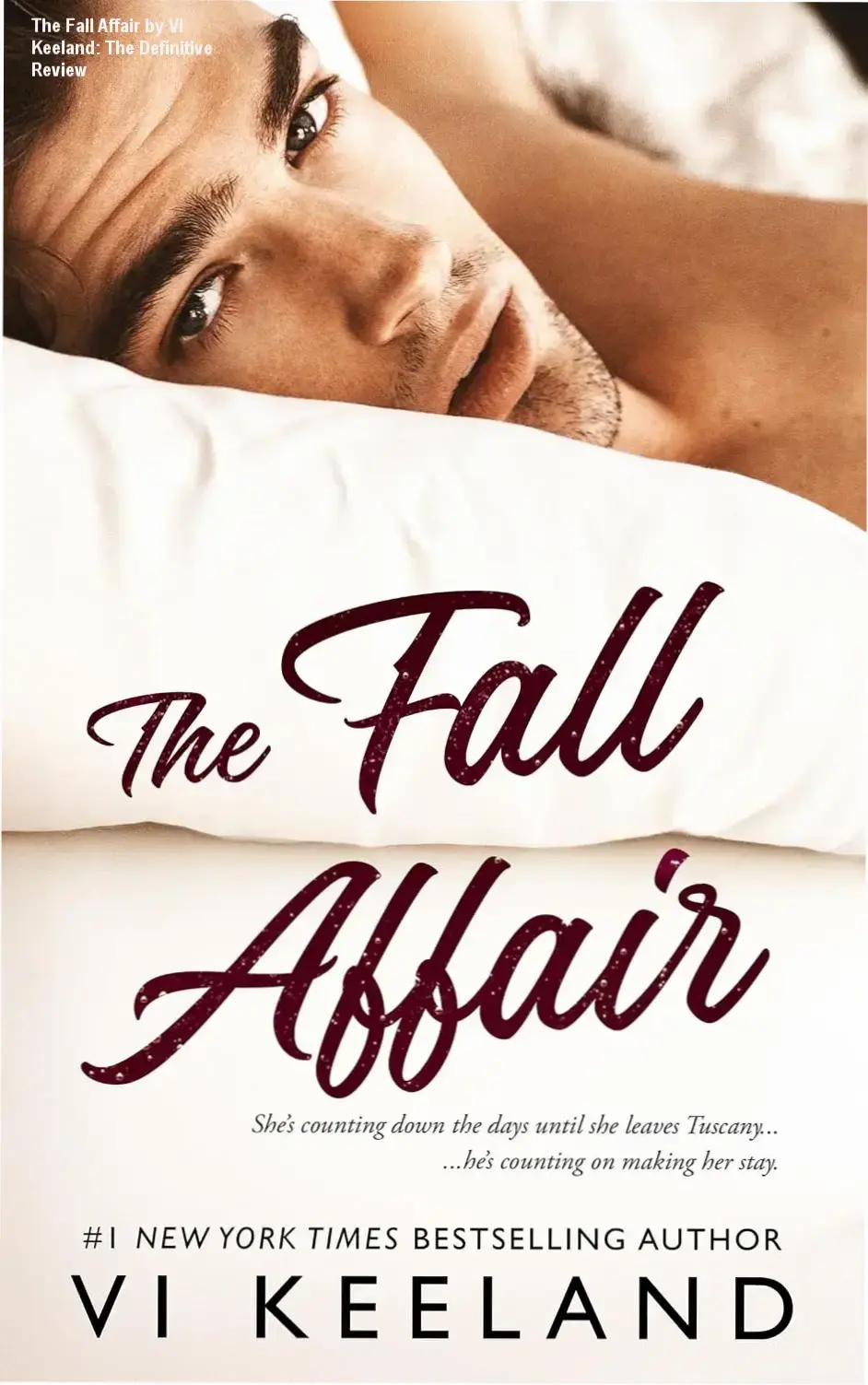
Vi Keeland taps into this collective exhaustion with The Fall Affair, a narrative that blends the high-stakes tension of a failed career with the sensory overload of Tuscany. For readers looking to see if this escape is as liberating as it sounds, checking the current reader reception and availability reveals a story that balances steamy romance with a necessary critique of the “hustle culture” mindset.
Ready to dive into “The Fall Affair”?
Explore available editions, check current live pricing, or download a free sample directly on Amazon.
Preview Free Sample & Check Price on Amazon
*You will be redirected to Amazon. As an Amazon Associate, we may earn from qualifying purchases.
The Architecture of Escape: Pacing and Atmosphere
Vi Keeland doesn’t waste time. The transition from the sterile, cold environment of New York City to the rustic, dusty warmth of Tuscany is handled with a sharp contrast that mirrors the protagonist’s internal state.
The pacing is intentional. It starts with the frantic energy of a woman who has lost her grip on her professional identity. The “passed over for partner” trope is a classic for a reason—it creates an immediate, visceral sense of injustice that the reader can feel.
Once the setting shifts to Italy, the narrative breathing room expands. Keeland uses the scenery not just as a backdrop, but as a tool for character development. The crumbling antique shop and the sprawling vineyards act as metaphors for the protagonist’s own life: something that was once grand but has been neglected in the pursuit of a corporate title.
Critics and readers on Goodreads often note that the “slow down” of the plot reflects the “slow life” of the setting. It’s a rhythmic shift that prevents the book from feeling like a rushed romance novel, allowing the tension to simmer rather than boil over instantly.
The Friction Point: Opposites Attract or Just Opposites?
Enter Matteo Lucchese. The “rugged winemaker” is a staple of the genre, but the chemistry here works because it’s rooted in a genuine clash of philosophies.
On one side, you have a woman who views time as a currency to be spent and optimized. On the other, you have a man who views time as a cycle to be respected. This isn’t just a “he’s grumpy, she’s sunshine” dynamic; it’s a collision of two different ways of existing in the world.
The dialogue is sharp, often bordering on combative. This friction is what drives the early chapters, making the eventual romantic surrender feel earned rather than inevitable. The reader is kept guessing whether they will actually find common ground or simply drive each other insane.
“He’s rugged and stubborn, stuck living in a time that has long passed us by, and the word rush isn’t part of his vocabulary.”
This quote summarizes the core conflict. The tension isn’t just sexual—though that is heavily present—it’s ideological. The appeal lies in watching the protagonist’s “corporate armor” be chipped away by someone who doesn’t care about her credentials or her resume.
| Dynamic Element | The NYC Mindset | The Tuscan Reality |
|---|---|---|