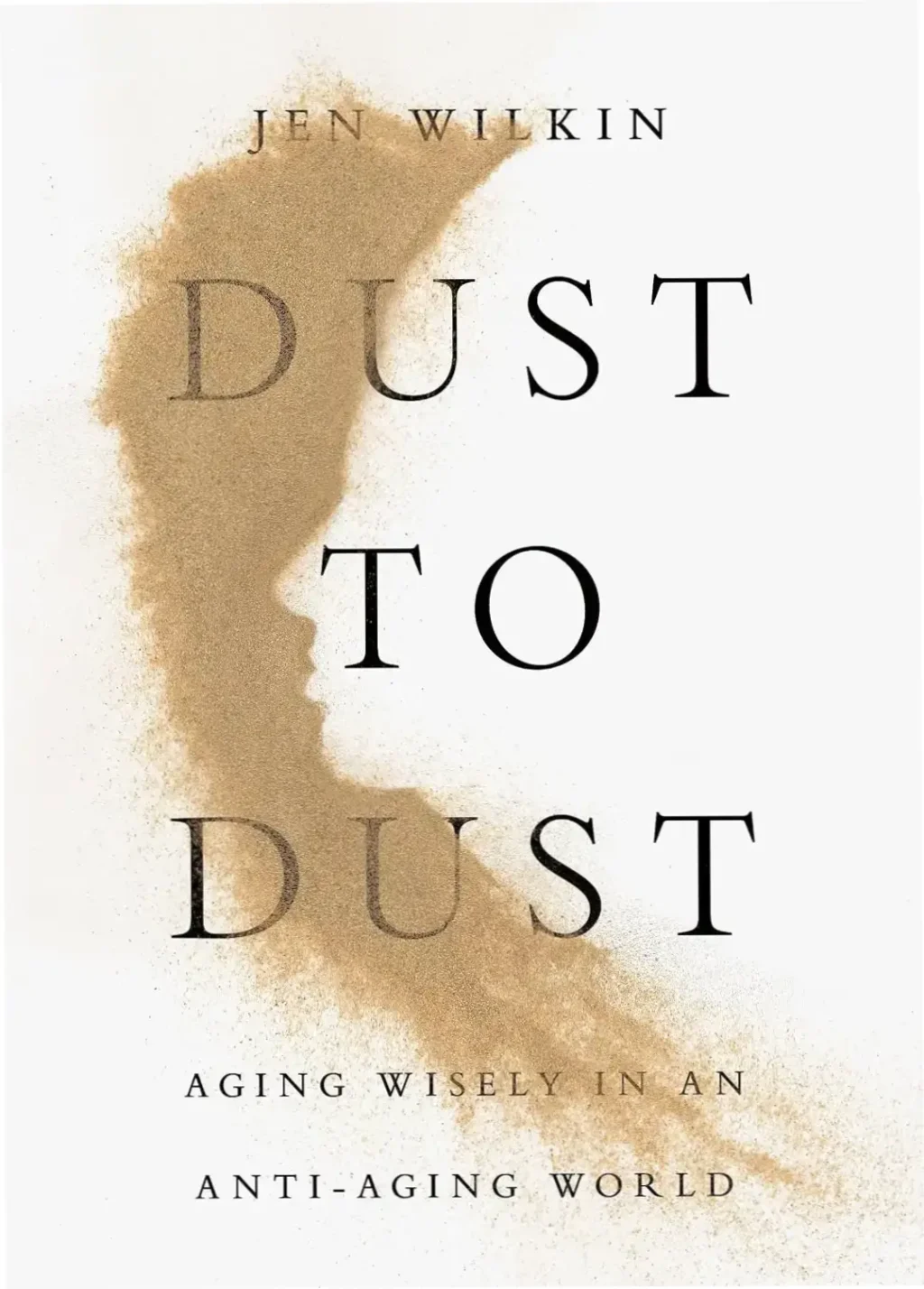
We spend billions annually fighting gravity and time. The bathroom mirror becomes a daily battlefield where relevance feels like it expires at thirty-five. Culture sells a lie: that value diminishes as wrinkles deepen. Jen Wilkin steps into this noise with a theological sledgehammer. She argues aging isn’t a curse to manage or a disease to cure. It is a design to steward. This reframing hits different than standard devotional fare. It targets the twenty-something dreading the big three-zero just as hard as the seventy-something navigating dependence. Wilkin uses a chiastic structure—ancient poetic symmetry—to map the arc of life. The first half mirrors the second. Dependence bookends autonomy. You can check current editions and reader sentiment here.
The book lands as a cultural corrective inside the church too. We often idolize youth ministry while warehousing the elderly. Wilkin exposes this hypocrisy with surgical grace. She connects body image struggles to a failure of theology. We hate our aging bodies because we misunderstand their purpose. They aren’t meant to stay shiny; they are meant to be spent. The prose is dense but accessible. Theological weight carries practical legs. It reads like a manifesto for a counter-cultural way to be human.
Ready to dive into “Dust to Dust: Aging Wisely in an Anti-Aging World”?
Explore available editions, check current live pricing, or download a free sample directly on Amazon.
Preview Free Sample & Check Price on Amazon
*You will be redirected to Amazon. As an Amazon Associate, we may earn from qualifying purchases.
Writing Style and Chiastic Architecture
Wilkin writes with the precision of a teacher and the heart of a poet. The defining structural choice is the chiasm—a literary cross-stitch where themes mirror each other (A, B, C, B’, A’). This isn’t academic showing off. It *is* the argument.
Life begins in total dependence (infancy). It peaks in autonomy (midlife). It returns to dependence (old age). The structure forces you to feel the symmetry. You cannot read this linearly without sensing the circle closing.
Sentences are crisp. Zero fluff. She defines terms like “potentiality” and “actuality” early on then deploys them like scalpels.
“We do not lose our value when we lose our independence. We simply enter the next phase of imaging God.”
Readers on Goodreads consistently highlight the “beautiful prose.” One verified reviewer noted it reads “like a liturgy for the aging soul.” Another admitted they had to re-read chapters because the density packs punch per square inch.
The pacing is deliberate. Slow medicine for a fast culture.
Core Argument: The Give-and-Take Design
The central thesis reframes loss as liturgy. Culture frames aging as subtraction only. Wilkin frames it as divine exchange.
God gives potentiality early. He takes it back slowly. He gives actuality late—wisdom, presence, prayer capacity.
- First Half: Building capacity. Accumulating strength.
- Second Half: Spending capacity. Distilling essence.
This flips the “anti-aging” script entirely. Fighting aging becomes fighting God’s distribution plan.
She tackles caregiving not as burden but as participation in this economy.
“To care for the dependent is to rehearse our own future and honor our shared design.”
Amazon reviewers in the “sandwich generation” (caring for kids and parents) call this section “survival oxygen.” It validates the exhaustion while sanctifying the work.
Practical Takeaways: Body Image, Honor, Stewardship
Theology lands on the floor of daily life here.
Body Image: She connects dysmorphia to idolatry of autonomy. If my body exists to *perform*, decay is tragedy. If my body exists to *image*, decay is testimony.
Honoring Elders: Not sentimental visits. Structural honor. Listening to stories as receiving inheritance.
Numbering Days: Not morbid counting. Urgent prioritizing.
- Stop investing in fading potential.
- Start investing in lasting actual
Who Should Actually Read This?
Dust to Dust isn’t a general self-help book on longevity. It is a theological recalibration. If you are a Christian currently feeling the pressure of “anti-aging” culture—the subtle (or overt) message that your value drops as your wrinkles increase—this is your manual for mental and spiritual resistance.
It is particularly potent for three specific profiles:
- The Anxious Young Adult: Those in their 20s and 30s who already fear the “descent” into irrelevance.
- The Middle-Aged Transitioner: People navigating the “sandwich generation” stress—caring for aging parents while raising children.
- The Senior: Those seeking a biblical validation that their current stage of life is not a waiting room, but a peak of spiritual value.
Who Should Skip It?
Avoid this book if you are looking for a “bio-hacking” guide. If your goal is to find the best serums, diet plans, or medical interventions to stop the clock, you will be disappointed. Jen Wilkin isn’t teaching you how to fight aging; she is teaching you how to stop fighting it and start stewarding it.
Similarly, if you prefer a secular, clinical approach to gerontology without a biblical framework, the theological heavy-lifting here may feel redundant to you.
The Value Proposition: Reality Check
A common purchasing mistake with this title is expecting a quick “how-to” manual. This is a biblical meditation. The value lies in its structure—specifically the use of the chiastic poem metaphor to show the symmetry of life. It doesn’t offer “5 tips for a happy retirement”; it offers a paradigm shift.
At 208 pages, it is lean. You aren’t paying for fluff or repetitive anecdotes. You are paying for a concentrated analysis of how the “give-and-take” design of God works across a human lifespan.
Editorial Verdict
Wilkin successfully dismantles the lie that aging is a steep descent. By shifting the focus from “maintenance” to “wisdom,” she provides a hopeful, albeit sober, perspective. The book is an investment in mental peace for anyone tired of the exhausting war against time.
For those ready to trade a skincare obsession for a wisdom pursuit, we suggest checking the current reader ratings and pricing on Amazon to see if it aligns with your current reading goals.
Final Editorial Verdict
“Dust to Dust: Aging Wisely in an Anti-Aging World” delivers on its core promise for its intended audience, offering compelling insights without fluff. As highlighted in our detailed edition breakdown, its practical depth and readability are its greatest strengths.
We also recommend checking the official Kindle sample and reader ratings before making your final purchase decision.
*You will be redirected to Amazon. As an Amazon Associate, we earn from qualifying purchases.