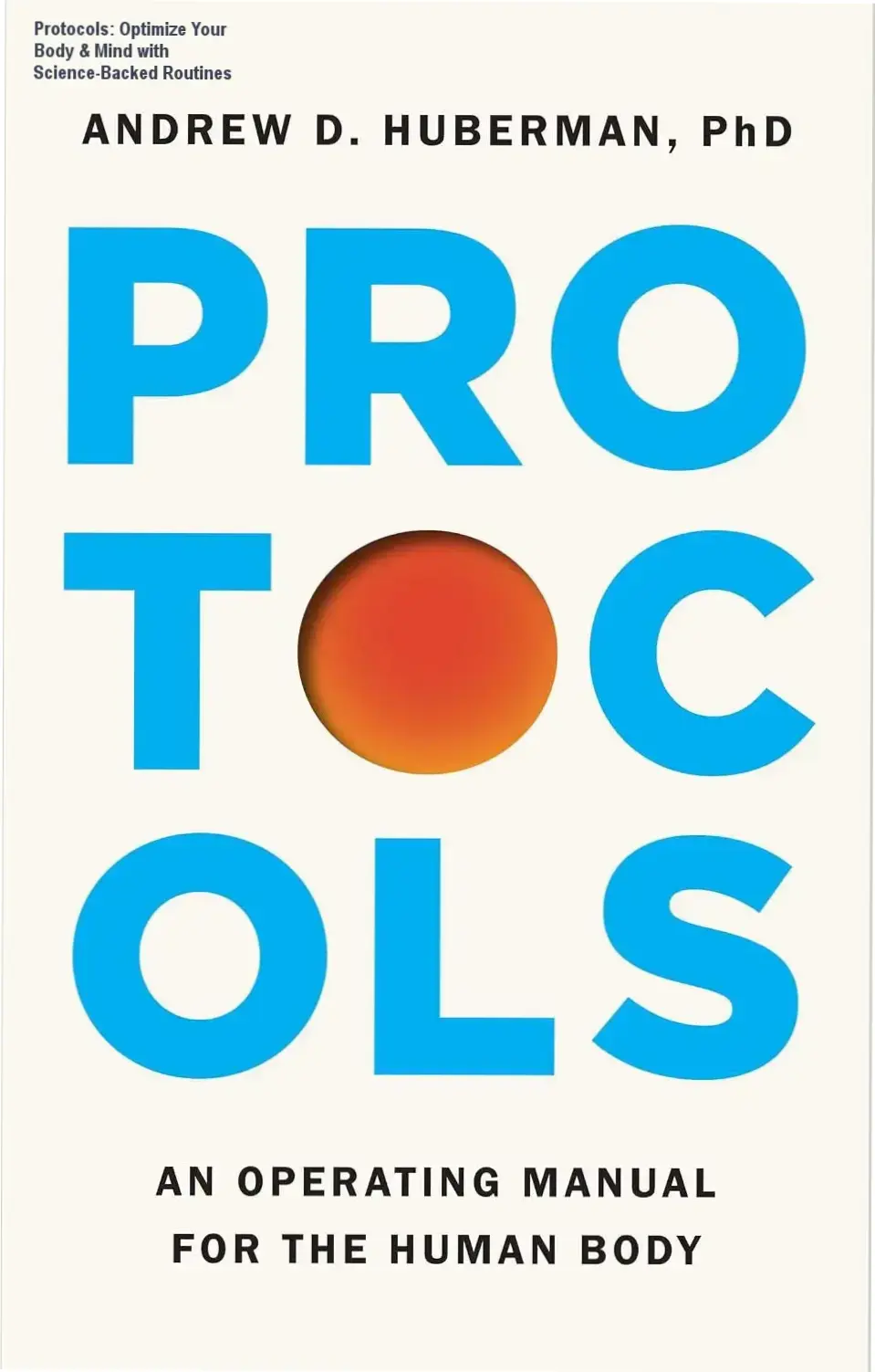
In a world where self-help books often promise quick fixes but deliver vague advice, Andrew Huberman’s *Protocols: An Operating Manual for the Human Body* stands out as a meticulously researched, science-first guide to optimizing human performance.
For readers overwhelmed by conflicting health trends, this book offers a structured, protocol-driven approach to mastering seven critical areas of life: sleep, exercise, stress control, nutrition, light exposure, focus, and personal growth. Huberman, a neuroscientist and host of the popular Huberman Lab podcast, brings decades of research to the table, translating complex neuroscience into actionable steps.
The book’s strength lies in its dual focus: foundational behaviors for daily well-being and targeted tools for peak performance. Whether you’re a busy professional seeking better focus, an athlete aiming to enhance physical output, or someone struggling with chronic stress, *Protocols* positions itself as a universal operating manual for unlocking the body’s potential. Its rise to #1 Best Seller in Aging & Longevity underscores a growing hunger for evidence-based strategies in an era of biohacking and wellness fatigue.
Ready to dive into “Protocols: An Operating Manual for the Human Body”?
Explore available editions, check current live pricing, or download a free sample directly on Amazon.
Preview Free Sample & Check Price on Amazon
*You will be redirected to Amazon. As an Amazon Associate, we may earn from qualifying purchases.
The book’s structure mirrors the scientific method: observe, hypothesize, test, adapt. Each protocol begins with a clear explanation of the underlying biology—why sunlight at dawn boosts alertness or why breathing patterns alter stress responses—before offering step-by-step instructions. This demystifies habits often shrouded in pseudoscience. For instance, the sleep protocol emphasizes aligning circadian rhythms through light exposure and caffeine timing, while the stress protocol leverages controlled hyperventilation to reset the autonomic nervous system. Huberman’s writing avoids jargon, opting instead for vivid metaphors (e.g., comparing the brain’s plasticity to a “software update”) that make neurobiology accessible. However, the book’s density—688 pages of protocols, studies, and footnotes—may test readers seeking bite-sized takeaways. It’s a masterclass in precision but demands active engagement.
Reading Experience & Practical Value
Readers praise *Protocols* for its actionable clarity, though some note the learning curve. On Reddit, user u/NeuroHacker called it “a blueprint for optimizing human potential,” while Goodreads reviewer Jane D. quipped, “It’s like having a PhD neuroscientist as your personal trainer.” The book shines in its customization guidance: Huberman stresses that protocols aren’t one-size-fits-all. For example, the exercise chapter differentiates between high-intensity training for strength and low-impact routines for injury recovery, urging readers to adjust based on age, fitness level, and goals. This adaptability resonates with audiences tired of rigid fitness dogma. However, critics on Amazon argue that the sheer volume of protocols—some requiring specialized equipment or timing—can feel overwhelming. One reviewer noted, “It’s a goldmine, but you need to cherry-pick what works for you.”
| Protocol Area | Key Takeaway | Real-World Application |
|---|---|---|
| Sleep | Morning sunlight + caffeine timing | Improved wakefulness and focus |
| Stress Control | Box breathing (4-4-4-4) | Reduced cortisol spikes during crises |
| Nutrition | Time-restricted eating + protein pacing | Enhanced metabolic flexibility |
The book’s focus on light and movement as performance levers is particularly innovative. Huberman’s research on non-visual light detection (via intrinsically photosensitive retinal ganglion cells) explains why morning light exposure sharpens focus and regulates mood. Similarly, the movement protocols—from deliberate cold exposure to mobility drills—tie directly to dopamine release and neuroplasticity. These sections feel less like advice and more like “hacks” backed by peer-reviewed studies. Yet, the book’s technical depth occasionally overshadows its practicality. A chapter on “Personal Growth” delves into neurochemical pathways for motivation, which, while fascinating, risks alienating readers seeking simpler habit-building strategies.
Critics highlight a notable gap: the book assumes a baseline of health literacy. Beginners might struggle with terms like “neuroplasticity” or “autonomic nervous system” without prior context. Conversely, seasoned biohackers will appreciate the granularity—protocols include precise heart rate zones for exercise and exact light wavelengths for circadian tuning. The trade-off is clear: *Protocols* rewards invested readers with a toolkit for sustained self-optimization but may leave novices craving more scaffolding. Huberman’s insistence on customization mitigates this somewhat, urging readers to start with “low-hanging fruit” protocols before diving deeper.
Final Verdict: A Must-Read for the Self-Optimization Crowd
For anyone serious about biohacking, *Protocols* is indispensable. It bridges the gap between cutting-edge neuroscience and everyday application, offering protocols that are as rigorous as they are replicable. The book’s impact lies in its ability to reframe health as a skill—a set of trainable behaviors rather than passive habits. While its density and complexity may not suit casual readers, the payoff for those willing to engage is profound. As one Amazon reviewer aptly summarized, “It’s not just a book; it’s a roadmap to becoming the best version of yourself.” Whether you’re chasing peak performance or simply seeking stability in a chaotic world, *Protocols* delivers the science and structure to make it happen.
1. TARGET READER, VALUE FOR MONEY & EDITORIAL CONCLUSION This book is a dense, science-first resource best suited for biohackers, high-performance individuals, and those already familiar with Huberman’s work through his podcast. It’s not a beginner’s guide—readers expecting quick fixes or simplistic advice will find the depth overwhelming. The ideal audience includes professionals in health, fitness, or neuroscience, as well as lifelong learners seeking actionable protocols backed by research. The value lies in its specificity. While the hardcover price may deter casual buyers, the pre-order discount and bundled ebook version (available via the official Amazon listing) make it accessible for those committed to long-term self-optimization. However, its $35+ price tag is steep compared to shorter, more condensed wellness guides. Those who skip it risk missing out on a meticulously structured playbook for circadian alignment, stress resilience, and neuroplasticity—but it’s not worth the cost for readers seeking light reading. Common missteps include purchasing it as a “quick manual” rather than a deep dive. The book demands active engagement: chapters on light therapy or breathing protocols require note-taking and experimentation. For those willing to invest time, the payoff is a personalized toolkit to enhance focus, sleep, and physical performance. 2. FINAL EDITORIAL SUMMARY CARD WITH CTA BUTTON & CONTEXTUAL LINKS
Final Editorial Verdict
“Protocols: An Operating Manual for the Human Body” delivers on its core promise for its intended audience, offering compelling insights without fluff. As highlighted in our detailed edition breakdown, its practical depth and readability are its greatest strengths.
We also recommend checking the official Kindle sample and reader ratings before making your final purchase decision.
*You will be redirected to Amazon. As an Amazon Associate, we earn from qualifying purchases.