The holiday season is usually marketed as a time of pure joy, but for most of us, it’s a psychological minefield. Between the forced family gatherings and the pressure to be “happy,” it’s easy to feel like a Scrooge in a world of glitter.
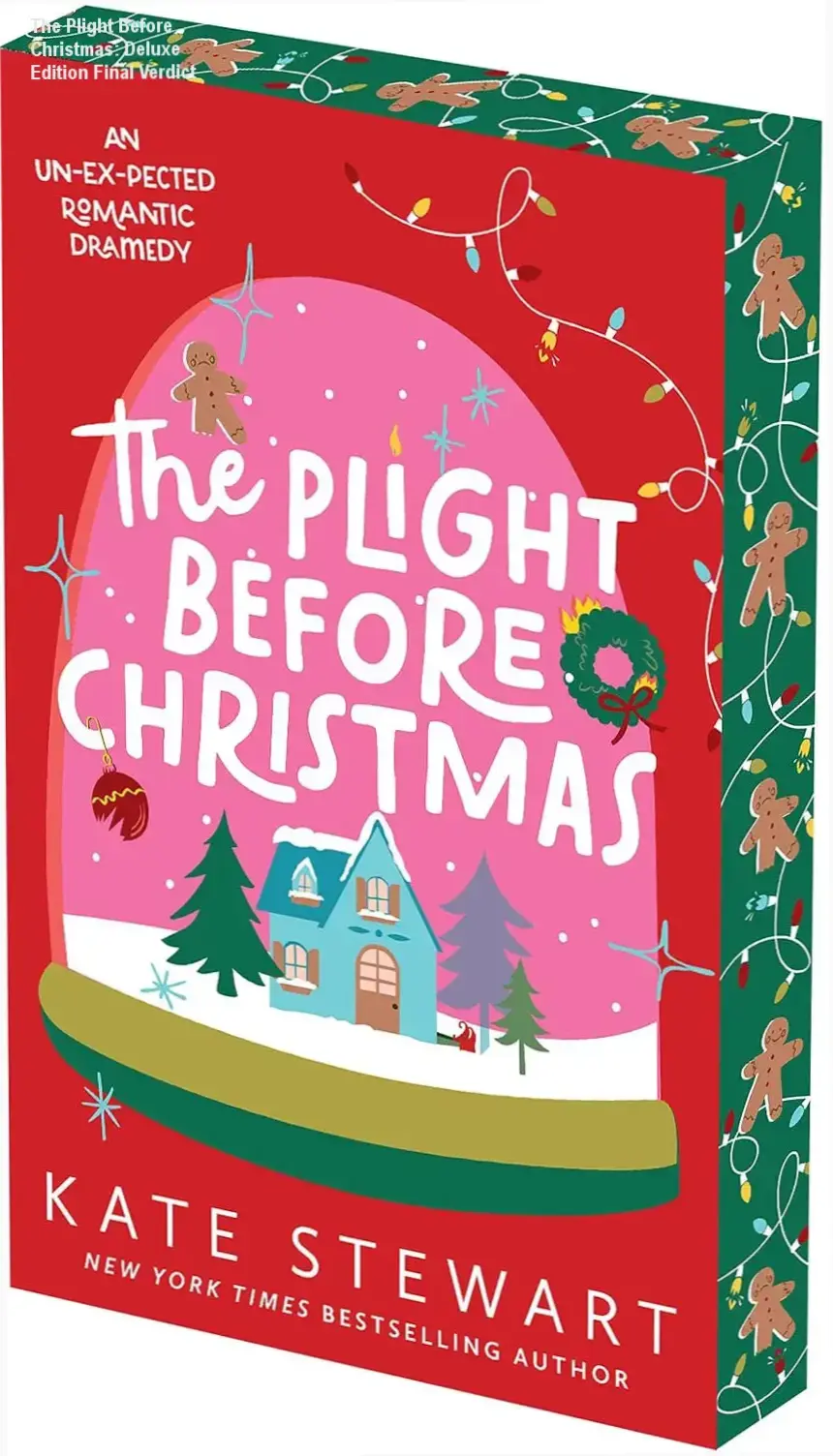
When you add a devastating ex-lover and a secluded cabin into the mix, you have the perfect recipe for a romantic disaster. For readers looking to see if The Plight Before Christmas delivers on its promise of “spicy second chances,” the question isn’t just about the plot, but whether the emotional payoff justifies the tropes.
Ready to dive into “The Plight Before Christmas”?
Explore available editions, check current live pricing, or download a free sample directly on Amazon.
Preview Free Sample & Check Price on Amazon
*You will be redirected to Amazon. As an Amazon Associate, we may earn from qualifying purchases.
Writing Style: The Balance of “Humbug” and Heat
Kate Stewart doesn’t write typical “cozy” Christmas stories. Her prose is sharper, more cynical, and far more visceral than the average holiday romance.
The protagonist’s voice is the engine here. She isn’t a wide-eyed optimist; she’s a woman who has had a terrible three weeks, a broken toe, and a failed promotion. This grounded, slightly miserable perspective makes the romance feel earned rather than forced.
Stewart uses a conversational rhythm that mimics a real internal monologue. The transition from sarcastic venting to intense, “panty-evaporating” tension is seamless. She avoids the overly floral language of the genre, opting for a directness that hits harder.
The pacing is intentional. It starts with the slow burn of avoidance—the “game face” we all wear at family events—and accelerates into the chaos of inevitable attraction. It’s a pressure-cooker environment that forces the characters to confront two decades of baggage.
“I could blame the nog. I could blame the deceitful blue eyes… but mostly, I blame Eli because he always knew exactly which of my buttons to push.”
This quote encapsulates the core dynamic: a mixture of resentment and an irresistible, magnetic pull. It’s not just about love; it’s about the familiarity of someone who knows exactly how to break you.
The “Second Chance” Trope: Expectation vs. Reality
The “ex-lover returns” plot is one of the most overused tropes in romance. In the wrong hands, it’s predictable and bland. However, Stewart adds a layer of genuine bitterness that elevates the narrative.
The conflict isn’t a simple misunderstanding that could be solved with one conversation. We are talking about a heart “obliterated” nearly twenty years ago. That kind of temporal gap adds weight to the reconciliation.
Many readers on platforms like Goodreads note that the “spiciness” isn’t just for show. It serves as a catalyst for the emotional breakthroughs. The physical intimacy is where the characters stop lying to themselves.
Is it realistic? Probably not. But in the context of a “Holiday Hijinks” romance, it satisfies the craving for high-stakes emotional drama. It delivers the fantasy of being seen and wanted by the one person who once discarded you.